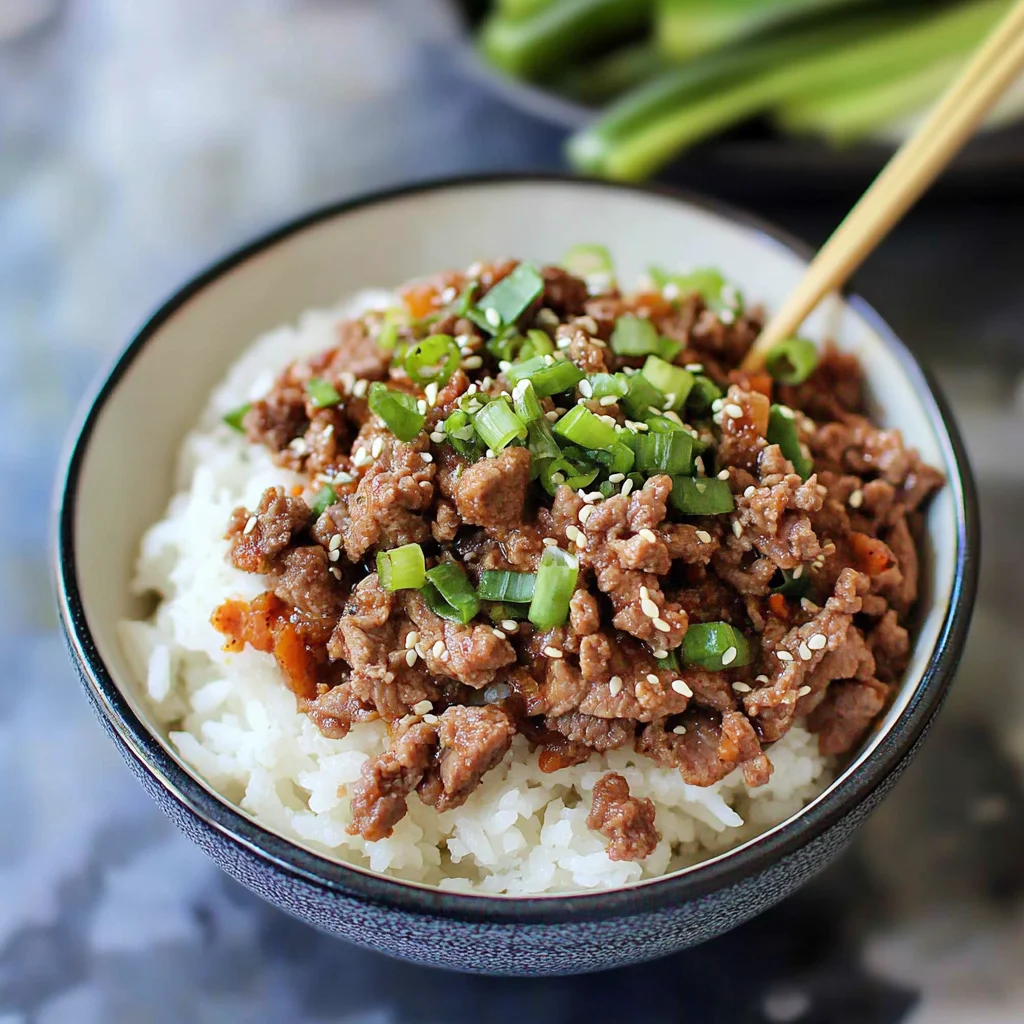
Imagine sinking your teeth into savory, marinated beef that dances on your palate, bursting with a symphony of flavors, all nestled in a comforting beef bulgogi bowl. The aroma wafts through the air, inviting you to savor tender strips of beef grilled to perfection alongside vibrant vegetables and fluffy rice, creating an unforgettable meal that warms the soul.
This dish is more than just food; it’s a delightful experience that transports you to a bustling Korean market where laughter and chatter blend with the sizzling sounds of grilling. Whether it’s a cozy weeknight dinner or a festive gathering with friends, preparing a beef bulgogi bowl promises an explosion of taste and joy that will leave everyone reaching for seconds and sharing smiles around the table.
Why Is beef bulgogi bowl So Irresistibly Good?
Bold flavors come alive in this mouthwatering dish, where tender beef sirloin is marinated to perfection with soy sauce, garlic, and ginger. Quick preparation makes it ideal for busy weeknights, taking just 30 minutes to whip up. Versatile toppings like fried eggs and mixed veggies allow for personal flair. Crowd-pleasing appeal ensures everyone at the table will savor each bite, while the bowl format makes serving a breeze!
beef bulgogi bowl Ingredients
For the Marinade
- 1 pound beef sirloin (thinly sliced) – Opt for tender cuts for a melt-in-your-mouth experience in your beef bulgogi bowl.
- 1/4 cup soy sauce – This provides a savory depth, enhancing the umami flavor of the beef.
- 2 tablespoons brown sugar – Adds a touch of sweetness that balances the saltiness of the soy sauce.
- 1 tablespoon sesame oil – Infuses a rich, nutty flavor that complements the marinated beef beautifully.
- 3 cloves garlic (minced) – Fresh garlic brings a robust aroma and flavor to the marinade.
- 1 inch ginger (grated) – Adds warmth and a slight zing, elevating the taste profile of the dish.
- 1 tablespoon gochujang (Korean chili paste) – Provides heat and depth; adjust based on your spice preference.
- 1 tablespoon scallions (chopped) – Fresh scallions add brightness and crunch to your marinade mixture.
- 1 teaspoon black pepper – Enhances all the flavors with its mild heat and aromatic qualities.
For Bowl Assembly
- 4 cups cooked rice (white or brown) – Serves as a hearty base; choose your favorite for added texture and flavor.
- 2 cups mixed vegetables (carrots, bell peppers, broccoli) – Colorful veggies add nutrition and variety to your beef bulgogi bowl.
- 2 tablespoons sesame seeds (for garnish) – Toasted seeds provide a delightful crunch and nutty finish when sprinkled on top.
- 4 eggs fried (optional topping) – A runny fried egg adds creaminess, making each bite even more indulgent.
How to Make beef bulgogi bowl

1. Marinate the Beef: In a mixing bowl, combine 1/4 cup soy sauce, 2 tablespoons brown sugar, 1 tablespoon sesame oil, 3 cloves minced garlic, 1 inch grated ginger, 1 tablespoon gochujang, 1 tablespoon chopped scallions, and 1 teaspoon black pepper. Add 1 pound of thinly sliced beef sirloin and mix well. Marinate for at least 30 minutes to infuse those delicious flavors.
2. Cook the Beef: Heat a skillet over medium-high heat. Add the marinated beef and let it sizzle for about 5-7 minutes. You want to see it turn beautifully caramelized and cooked through—this is where the magic happens!
3. Prepare the Bowls: In serving bowls, place a cup of cooked rice—either white or brown works beautifully. Top with the cooked beef and add in your vibrant mixed vegetables of choice (think carrots, bell peppers, and broccoli). Finish off with a sprinkle of sesame seeds for that perfect crunch. If you’re feeling indulgent, add a fried egg on top!
Optional: Drizzle with extra sesame oil for added flavor.
Exact quantities are listed in the recipe card below.
Expert Tips
- Marinate Longer: For the best flavor, let the beef marinate for at least 1 hour or overnight in the fridge.
- Thin Slices: Ensure your beef sirloin is sliced thinly against the grain; this makes it more tender and allows for better absorption of flavors.
- Sauté Quickly: Avoid overcrowding the skillet when cooking the beef; this can cause steaming instead of caramelizing. Cook in batches if necessary.
- Vegetable Variety: Feel free to mix and match your vegetables; just ensure they’re cut into similar sizes for even cooking.
- Perfect Rice: Use day-old rice if possible; it’s firmer and won’t become mushy when topped with the juicy beef bulgogi bowl ingredients.
- Egg Technique: For a beautifully fried egg, cook on low heat until the whites are set but the yolk remains runny—perfect for drizzling over your bowl!
How to Store and Freeze beef bulgogi bowl
- Fridge: Store the beef bulgogi bowl in an airtight container for up to 3 days. This will keep the flavors fresh and delicious.
- Freezer: You can freeze the marinated beef separately for up to 3 months. Thaw in the fridge before cooking for best results.
- Reheating: To reheat, warm the beef bulgogi bowl in a microwave or on the stovetop until heated through, adding a splash of water if needed to keep it moist.
- Cooked Rice: If stored separately, cooked rice can last in the fridge for up to 5 days. Make sure it’s in a sealed container to maintain freshness.
beef bulgogi bowl Variations
Feel free to play around with these ideas and make this dish a delightful reflection of your own taste!
- Spicy Kick: Increase the gochujang to 2 tablespoons for a bolder flavor. The extra heat adds an exciting depth that will tantalize your taste buds.
- Veggie-Packed: Swap out the mixed vegetables for a medley of seasonal produce like zucchini and snap peas. This twist not only brightens the dish but also adds a refreshing crunch.
- Gluten-Free: Use tamari instead of soy sauce to accommodate gluten sensitivities. You won’t sacrifice any flavor while making it accessible for everyone at the table.
- Sweet & Savory: Substitute honey for brown sugar to create a different sweetness profile. This subtle change will round out the flavors beautifully, bringing a touch of warmth.
- Citrus Zing: Add a squeeze of fresh lime or lemon juice before serving to brighten up the dish. The citrus introduces a vibrant freshness that complements the savory notes perfectly.
- Protein Alternative: Try chicken or tofu in place of beef for a lighter option. Both alternatives soak up the marinade well and bring their unique textures to this beloved bowl.
- Nutty Flavor: Incorporate toasted sesame seeds into the marinade for added depth. This small addition transforms each bite with a delightful nutty aroma.
Make Ahead Options
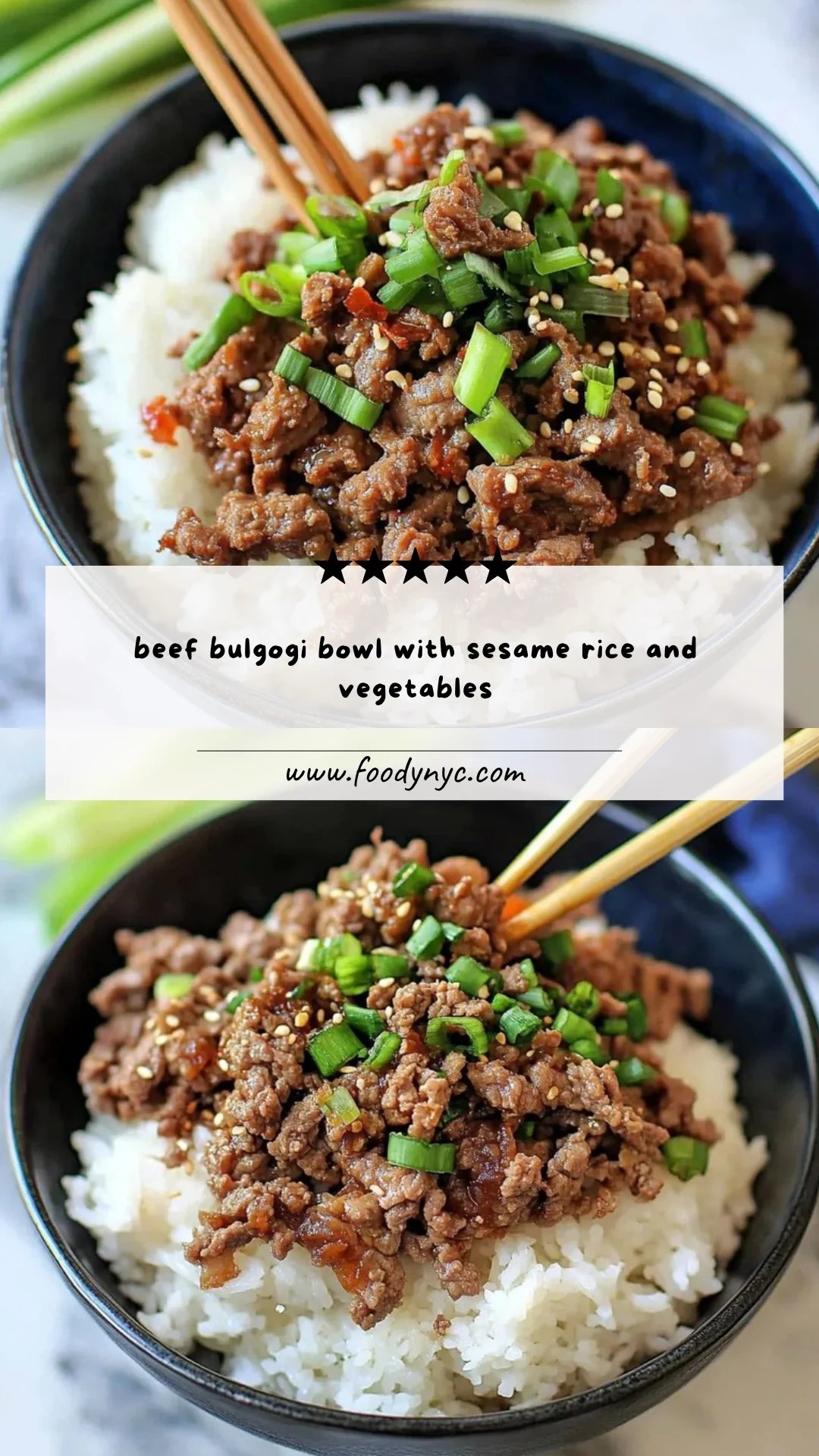
This beef bulgogi bowl is a fabulous choice for meal prep, making it easy to enjoy a flavorful Korean dish throughout the week. You can marinate the beef sirloin with soy sauce, brown sugar, sesame oil, garlic, ginger, gochujang, scallions, and black pepper up to 24 hours in advance for maximum flavor. Additionally, you can cook the beef and prepare the mixed vegetables (carrots, bell peppers, and broccoli) ahead of time; they will stay fresh in the refrigerator for up to three days. When you’re ready to serve, simply reheat the beef and veggies while your rice warms up. Top each bowl with sesame seeds and a fried egg for that perfect finishing touch. This approach not only saves time but also ensures you always have a delicious beef bulgogi bowl ready to savor!
beef bulgogi bowl Recipe FAQs
How can I choose the best beef for my bulgogi bowl?
For a tender and flavorful bulgogi, I recommend using beef sirloin, which is perfect for thin slicing. If you’re looking for alternatives, flank steak or ribeye also work beautifully, providing that rich marbling that enhances the dish’s savory depth.
What can I use instead of gochujang?
If you don’t have gochujang on hand, you can substitute with a combination of red chili paste and a touch of honey to mimic the sweetness and heat. Alternatively, sriracha with a bit of brown sugar can offer a similar flavor profile, though it won’t have the exact same depth as traditional gochujang.
Can I prepare the beef in advance and freeze it?
Absolutely! You can marinate the sliced beef and store it in an airtight container in the freezer for up to 3 months. Just remember to let it thaw in the fridge overnight before cooking. This allows you to keep that delicious flavor intact while saving time on busy days.
What vegetables work best with my beef bulgogi bowl?
While the classic combination includes carrots, bell peppers, and broccoli, feel free to get creative! Snap peas, zucchini, or even mushrooms would make delightful additions. Just ensure they are cut into uniform sizes for even cooking; sauté them until they’re vibrant and slightly tender—about 5 minutes works wonders.
How should I store leftovers from my bulgogi bowl?
Store any leftovers in an airtight container in the fridge for up to 3 days. When ready to enjoy again, simply reheat everything on the stove over medium heat until warmed through. This way, you’ll savor those delicious flavors just like when you first made it!
Is this recipe suitable for gluten-free diets?
Yes! To make your beef bulgogi bowl gluten-free, simply swap out regular soy sauce for a gluten-free variety. There are many great options available that maintain that umami flavor without compromising your dietary needs. Enjoy every bite worry-free!
Beef Bulgogi Bowl
Ingredients
Method
- In a mixing bowl, combine soy sauce, brown sugar, sesame oil, garlic, ginger, gochujang, scallions, and black pepper. Add the sliced beef and mix well. Marinate for at least 30 minutes.
- Heat a skillet over medium-high heat. Add the marinated beef and cook for about 5-7 minutes, or until the beef is cooked through and caramelized.
- In serving bowls, place a cup of cooked rice. Top with cooked beef and mixed vegetables. Garnish with sesame seeds and a fried egg if desired.